
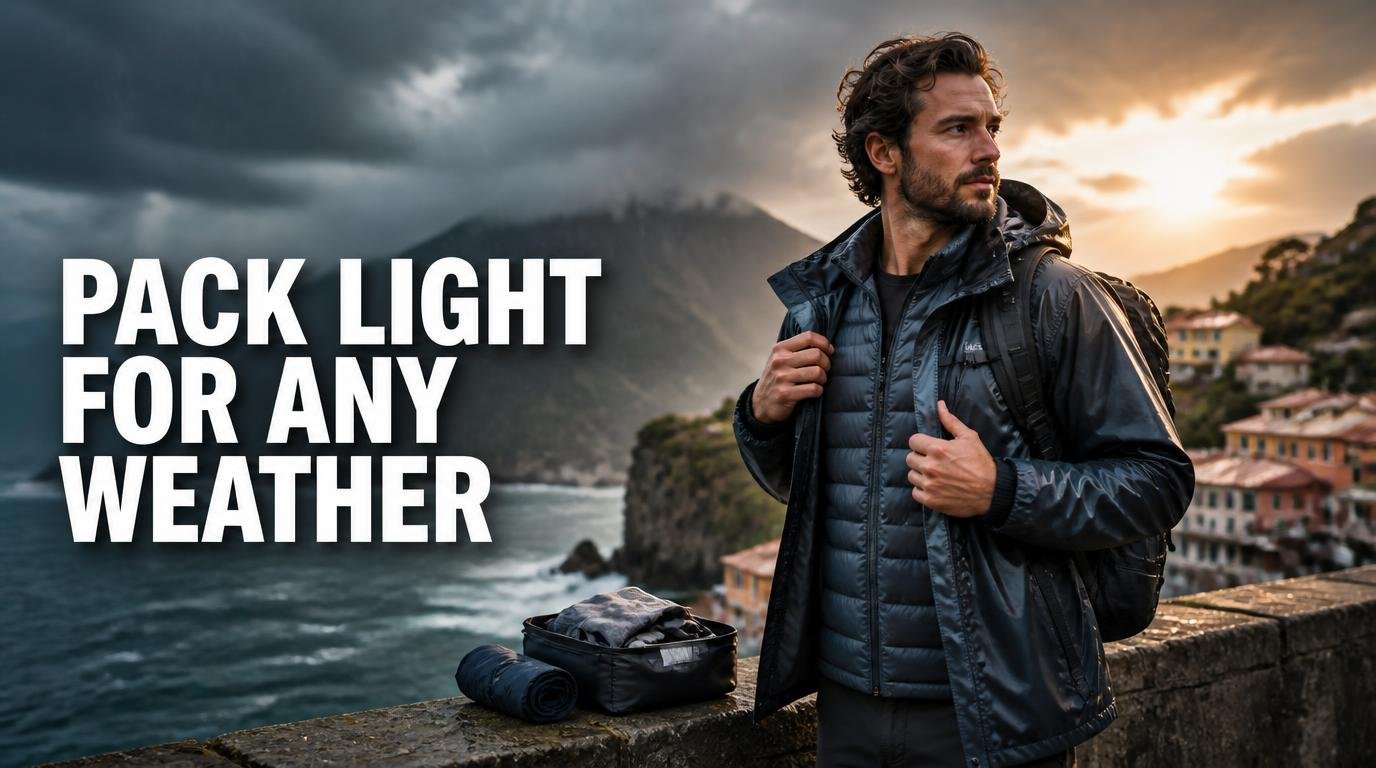
Packing light without checking a bag for unpredictable weather sounds impossible until you actually pull it off. I stood in San Francisco last spring wearing shorts while locals bundled in winter coats. That same trip took me through desert heat, coastal fog, and actual rain, all in five days. My 22-liter backpack handled everything. No checked luggage fees. No lost bags. No regrets. Here’s exactly how I made it work.
Start With a Realistic Weather Check, Then Prepare for Everything
Most people glance at a weather app the night before and call it research. That approach failed me hard in Portland when a “partly cloudy” forecast turned into three days of steady drizzle. Now I check multiple sources at least a week out.
I pull up Weather.com for the general forecast, then cross-reference with local news stations online. They know microclimates that national apps miss. For international trips, I search Reddit threads from travelers who visited during the same season. Real experiences beat algorithms every time.
The goal isn’t predicting exact conditions. You want to identify the temperature range and the most likely weather extremes. A trip spanning 45°F to 75°F requires different planning than one ranging from 60°F to 85°F. Write down the lowest expected temperature, the highest, and the chance of rain. Those three numbers drive every packing decision.

Build Your Base Layer System Around Merino Wool
Forget cotton. Seriously, just leave it at home. Cotton holds moisture, stinks after one wear, and takes forever to dry. Merino wool changed how I travel completely.
I pack two merino t-shirts for any trip under two weeks. They regulate temperature like magic, keeping you warm when it’s cold and somehow not suffocating when it’s hot. Brands like Smartwool, Icebreaker, and Woolly make solid options. Yes, they cost more upfront. But wearing the same shirt three days without smelling like a gym locker? Worth every penny.
For bottoms, I bring one pair of merino boxer briefs per three days of travel. They wash easily in a sink and dry overnight. This single switch cut my underwear volume by two-thirds. My base layer system now weighs almost nothing while handling temperature swings from morning frost to afternoon sun.
The Mid Layer Makes or Breaks Your Adaptability
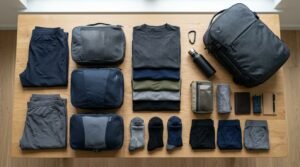
Your mid layer exists to trap warmth when temperatures drop. The right choice adds serious cold protection without eating half your bag’s capacity. The wrong choice becomes a bulky problem you regret immediately.
I swear by lightweight down or synthetic puffy jackets. My Patagonia Nano Puff compresses into its own pocket, roughly the size of a grapefruit. Uniqlo makes a budget-friendly version that performs almost as well. These jackets layer under a rain shell seamlessly and provide warmth equivalent to a heavy fleece at a fraction of the bulk.
One mid layer handles most situations. For truly extreme temperature ranges, I add a thin fleece quarter-zip. Eddie Bauer and REI Co-op both make packable options under $50. But honestly? Nine trips out of ten, the puffy alone gets the job done.
Your Outer Layer Must Handle Rain and Wind Without Bulk
Here’s where most travelers mess up when packing light without checking a bag for unpredictable weather. They bring a heavy winter coat “just in case” and sacrifice space for flexibility. Rain jackets exist specifically to solve this problem.
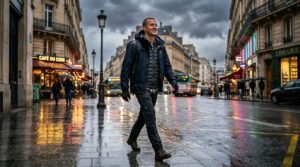
A quality rain shell blocks wind, repels water, and layers over everything else. I carry the Marmot PreCip, though the REI Co-op Rainier and Columbia Watertight II work equally well at lower price points. The key features you need: adjustable hood, pit zips for ventilation, and packability.
My rain jacket lives in my bag’s outer pocket regardless of forecast. It weighs eight ounces. When cold weather hits, I layer it over my puffy. The combination handles temperatures down to freezing comfortably. When warm rain appears, the jacket alone works perfectly. One item solves two problems while taking up minimal space.
Pack Exactly Three Tops and Two Bottoms
This formula works for trips up to two weeks. I fought against it for years, always cramming in “backup” options that never left my bag. Now I trust the system completely.
Three tops means one on your body, one clean in your bag, and one drying from last night’s sink wash. Stick with neutral colors that mix and match, black, grey, navy, and olive create endless combinations without screaming “I’ve worn this before.” My go-to lineup includes two merino tees and one long-sleeve merino button-down that works for both casual dinners and chilly evenings.
Two bottoms sounds aggressive until you try it. I bring one pair of travel pants with stretch and quick-dry fabric (Prana Zion or Vuori Meta are my favorites) and one pair of shorts that double as swimwear. For colder destinations, swap the shorts for a second pair of pants in a different color. The key is choosing pants that transition from hiking to restaurants without looking out of place in either setting.
Shoes Require the Hardest Compromise
Footwear takes up more space than anything else. Every additional pair eats into your bag capacity dramatically. I’ve settled on a two-shoe maximum for any carry-on trip.
Wear your bulkiest shoes on the plane. For unpredictable weather trips, that’s usually a pair of waterproof hiking shoes or trail runners. Salomon, Merrell, and Altra all make options that handle rain, light trails, and casual city walking without looking like hardcore outdoor gear.
Pack one pair of lightweight secondary shoes. I rotate between packable slip-on sneakers (Allbirds Tree Loungers compress decently) and simple sandals depending on the destination. For strictly urban trips, I sometimes swap the hiking shoes for waterproof Chelsea boots that dress up slightly better.
The temptation to bring a third pair hits everyone. Resist it. Two versatile options cover more situations than three specialized pairs while saving pounds of space.
Roll Everything and Use Packing Cubes Religiously
Packing technique matters almost as much as what you pack. I wasted years folding clothes flat and wondering why my bag looked like a bomb exploded inside.
Rolling clothes eliminates most wrinkles and compresses items tighter than folding. Start from the bottom of each garment, roll tightly toward the collar or waistband, and tuck sleeves or legs in as you go. Every shirt becomes a compact cylinder instead of a bulky rectangle.
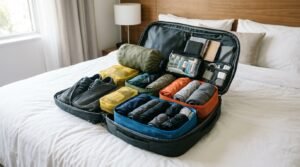
Packing cubes organize these rolls into manageable units. I use three: one for tops, one for bottoms, and one for undergarments and socks. Eagle Creek and Peak Design make quality options, but Amazon basics work fine if budget matters. The real benefit isn’t space saving, it’s instantly finding exactly what you need without unpacking everything.
My compression sack holds the puffy jacket and rain shell together. When I squeeze out the air, two layers of outerwear become smaller than a rolled hoodie. This single move reclaims enough space for three additional items.
Accessories That Earn Their Space
Not everything deserves room in a carry-on. Every accessory must justify its presence by serving multiple purposes or solving problems nothing else handles.
A buff or neck gaiter tops my always-pack list. It works as a scarf, face cover, headband, sleep mask, and emergency towel. Costs about $20, weighs almost nothing, and performs in cold wind or dusty buses equally well.
Packable gloves and a beanie make cold mornings tolerable without dedicated bulk. I stuff both into my puffy jacket pocket so they travel as one unit. For truly variable weather, these accessories let you push your clothing system another 15 degrees colder than base layers alone.
Skip the umbrella. Your rain jacket handles precipitation better while leaving your hands free. Skip the multiple sunglasses cases. One durable hard case protects your shades in your personal item. Every ounce counts when you’re committed to carry-on only.
FAQs
How do I pack for a trip with extreme temperature swings?
Layer everything. A merino base, lightweight puffy, and rain shell combination handles 30°F to 80°F ranges comfortably. Wear your heaviest layer on travel days to save bag space. Focus on clothes that work together rather than single heavy-duty items. The layering system adapts to temperature changes throughout each day, not just between destinations.
What’s the best carry-on bag for packing light in unpredictable weather?
I use the Osprey Farpoint 40 for longer trips and a Tom Bihn Synapse 25 for quick weekends. Both open fully like suitcases, making organization easy. Clamshell-style bags beat top-loaders for layered clothing systems. Size matters less than organization features when you’re packing smart.
Can I really go two weeks without checking a bag?
Absolutely. I’ve done three weeks across four countries with a 40-liter bag. The secret is sink washing clothes every two to three days using Dr. Bronner’s liquid soap. Merino wool dries overnight on a hotel bathroom hook. Pack light, wash frequently, and you’ll wonder why you ever checked luggage.
What about formal events while traveling light?
One versatile long-sleeve button-down handles most situations. Merino dress shirts from brands like Ministry of Supply or Wool&Prince resist wrinkles and work with dark pants for dinners out. For truly formal requirements, rewear your cleanest outfit confidently. Nobody notices repeat outfits as much as you fear.
Should I bring separate workout clothes?
Your travel clothes work for workouts if you choose wisely. Quick-dry pants double as running shorts when rolled up. Merino tees handle gym sessions without dedicated activewear. I skip separate workout gear entirely unless training is the trip’s primary purpose.
Conclusion
Packing light for unpredictable weather comes down to smart layering, versatile fabrics, and the discipline to leave backup items at home. Once you nail your system, every future trip becomes easier. What’s your biggest struggle with carry-on travel, picking the right layers or just fitting everything in?