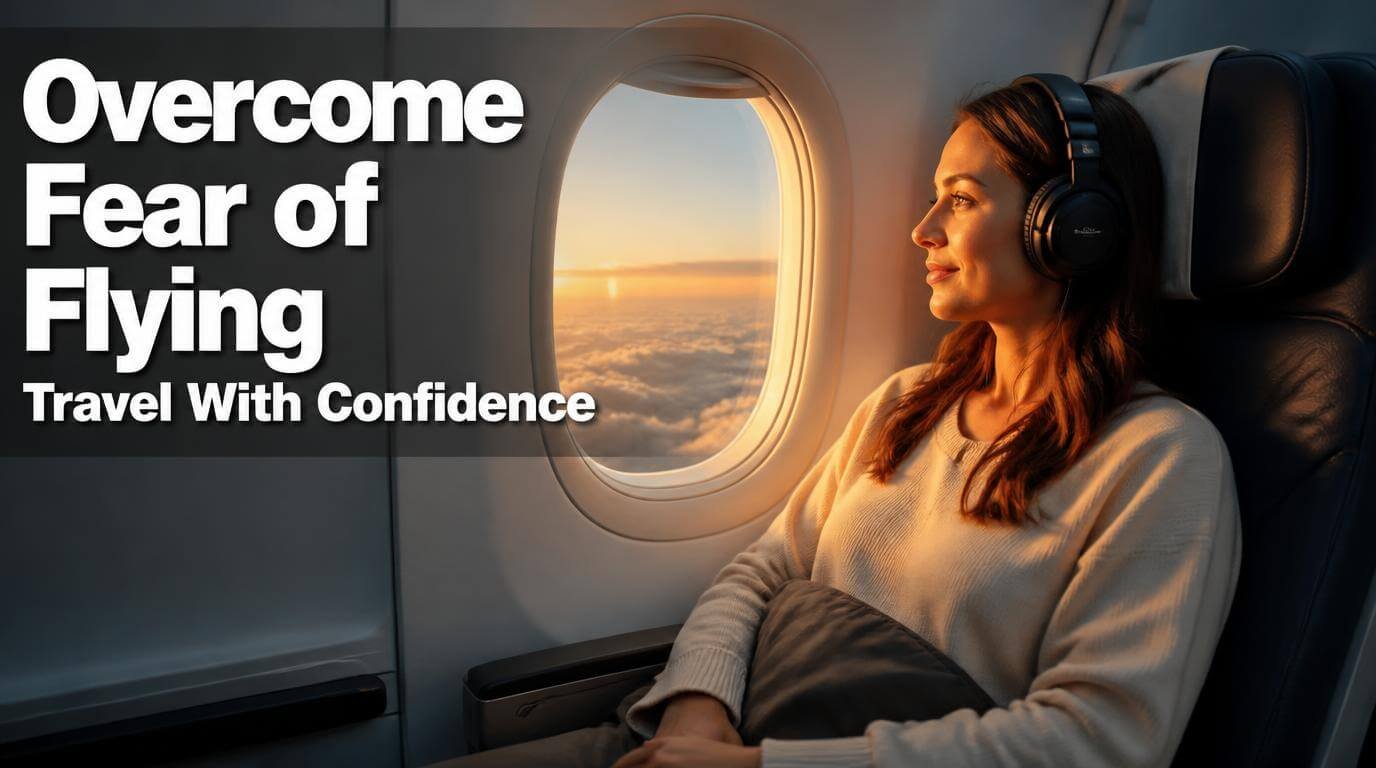
How can travelers overcome fear of flying before a trip when the anxiety starts weeks before the departure date? I know that feeling painfully well. My hands would shake just booking the ticket. For years, I almost canceled dream vacations because the thought of boarding a plane made my stomach drop. But I finally found strategies that genuinely helped, and now I fly multiple times a year without spiraling. These are the things that actually moved the needle for me.
1. Name the Fear Out Loud
Saying “I’m afraid of flying” felt embarrassing the first time. But keeping it bottled up gave the fear way more power than it deserved. The moment I told my travel partner exactly what scared me, turbulence, takeoff, the weird engine sounds, it shrank a little.
Be specific. “I’m scared” is vague. “I’m terrified the plane will drop during turbulence” is something you can actually work with. Naming it turns a monster into a problem, and problems have solutions. Write it down in your phone notes if saying it out loud feels like too much at first.
2. Learn the Boring Science Behind Turbulence
Turbulence was my biggest trigger until I understood what it actually is. It’s just uneven air currents. Think of it like a boat going over small waves. The plane is built to handle forces far beyond anything turbulence throws at it.
I watched a YouTube series by a pilot named Captain Joe who explains exactly what happens during bumpy flights. Once I saw how flexible airplane wings actually are, designed to bend significantly without breaking, I stopped gripping the armrest like my life depended on it. Knowledge is genuinely the cheapest therapy available.
3. Start a Pre-Flight Routine Weeks Before Your Trip
Waiting until you’re at the gate to manage anxiety is way too late. I started building a pre-flight routine about two weeks before each trip, and the difference was massive. I’d spend ten minutes each night visualizing the flight going smoothly: boarding, sitting down, takeoff, landing. Just normal, boring stuff.
I also cut back on caffeine the week before flying because it amplifies every anxious sensation. Swapped my afternoon coffee for chamomile tea, which felt ridiculous but honestly helped. Your body can’t tell the difference between caffeine jitters and panic, so don’t give it extra fuel.
4. Use the SOAR Program or a Similar Course
The SOAR program, created by Captain Tom Bunn, is specifically designed for fearful flyers. It combines therapy techniques with aviation education, and it’s one of the most recommended resources by actual therapists. I bought the course after a particularly rough flight to Miami, and it reframed how I thought about flying entirely.
There are also free alternatives. The FearOfFlying.com forum has thousands of real people sharing what worked for them. Sometimes reading that a retired pilot still flies happily with his grandkids is more comforting than any textbook explanation. Real stories from real people carry weight that statistics don’t.
5. Practice Breathing Techniques That Actually Work Mid-Flight
I used to roll my eyes at “just breathe” advice. Then I tried the 4-7-8 technique during a rough descent into Denver, and my heart rate genuinely dropped within two minutes. Breathe in for four counts, hold for seven, exhale slowly for eight. It activates your parasympathetic nervous system, which is a fancy way of saying it tells your brain to calm down.
The trick is practicing before you need it. I practiced this breathing pattern every night before bed for a week before my trip. By the time I was on the plane, it felt automatic. Trying to learn a breathing technique while panicking at 35,000 feet is like trying to learn to swim while drowning.
6. Pick Your Seat Strategically
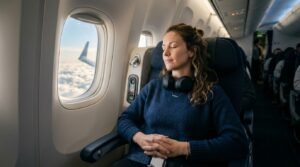
Seat choice matters more than most people realize. I always book a seat over the wing now because that’s where you feel the least movement during turbulence. Window seats help me because I can see outside and orient myself. Some people prefer the aisle because it feels less claustrophobic.
Avoid the back of the plane if turbulence bothers you. The tail end moves the most during bumpy air, kind of like sitting at the back of a bus. Apps like SeatGuru show you exactly which seats on your specific aircraft have extra legroom, less engine noise, or smoother rides. Spending five minutes choosing the right seat can save you hours of discomfort.
How Can Travelers Overcome Fear of Flying With Professional Help?
Sometimes the DIY approach isn’t enough, and that’s completely fine. I hit a wall after trying tips and tricks on my own. A therapist who specialized in cognitive behavioral therapy, specifically for phobias, changed everything for me in about six sessions. We identified the thought patterns that spiraled my anxiety and replaced them with realistic ones.
CBT has one of the highest success rates for specific phobias like fear of flying. Many therapists now offer virtual sessions, so you don’t even need to find a local specialist. Some airlines, including British Airways, run “Flying with Confidence” courses that pair therapists with pilots. Participants actually take a short flight at the end. If your fear is seriously limiting your life or career, professional help isn’t a luxury. It’s the most efficient path forward.
7. Build a Comfort Kit for the Plane
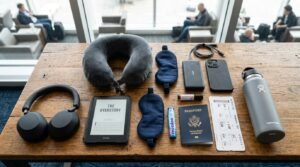
Having physical comfort items made a surprising difference for me. My flight kit includes noise-canceling headphones (Sony WH-1000XM5s, worth every penny), a lavender-scented rollerball for my wrists, a downloaded playlist of calm music, and a loaded Kindle with a book absorbing enough to pull my attention away from every sound.
I also download episodes of familiar TV shows on my iPad. Something I’ve seen before works better than something new because my brain doesn’t have to focus hard. It just needs gentle distraction. Chewing gum helps too, both for ear pressure and because the repetitive motion has a mild calming effect. Pack these items in your personal bag where you can reach them without getting up.
8. Reframe Flying With Real Statistics
Your brain treats flying as dangerous because it feels unnatural. Humans weren’t designed to sit in a metal tube at 500 miles per hour. But your brain is wrong about the actual risk. You are statistically more likely to be struck by lightning than to be in a plane accident. The drive to the airport is genuinely the most dangerous part of your trip.
I kept a note on my phone with three facts I found most comforting. One of them: commercial aviation’s fatal accident rate is roughly 0.2 per million flights. I’d read that note during boarding. It sounds silly, but having concrete numbers ready when my brain started catastrophizing gave me something factual to push back with. Feelings aren’t facts, but facts can calm feelings.
9. Fly More, Not Less
This one sounds counterintuitive, and I resisted it for years. But avoidance feeds fear. Every time I skipped a trip or drove twelve hours instead of flying two, I confirmed to my brain that planes were genuinely dangerous. The fear grew bigger each time I gave in to it.
Short flights helped me build tolerance. I booked a one-hour flight to a nearby city with no real stakes. If it was awful, I could take a bus home. It wasn’t awful. It was boring, which was exactly the point. Exposure therapy works because your brain eventually learns that the feared situation doesn’t end in catastrophe. Each uneventful flight rewrites a small piece of the fear response. Three or four calm flights in, something shifted in me permanently.
Frequently Asked Questions
How far in advance should I start managing my fear of flying?
Start at least two weeks before your trip. That gives you enough time to practice breathing techniques, visualize the flight, adjust your caffeine intake, and possibly squeeze in a therapy session. Last-minute coping rarely works because your nervous system is already in overdrive by the time you reach the airport. Preparation is what separates a manageable flight from a miserable one.
Is medication a good option for flight anxiety?
Some doctors prescribe short-acting anti-anxiety medication like Alprazolam for nervous flyers. It can be helpful as a temporary bridge while you build other coping skills. Talk to your doctor well before your trip so you can test the medication at home first. Never take something new for the first time on an actual flight. Combine it with behavioral strategies for the best results.
Can children develop a fear of flying from anxious parents?
Absolutely. Kids pick up on parental anxiety faster than you’d expect. If you grip the seat or gasp during turbulence, they learn that flying is scary. Model calm behavior, even if you’re faking it a bit. Explain turbulence to them in simple terms like “bumpy roads in the sky.” Your calm reaction teaches them more than any reassuring words.
Does choosing a specific airline help with flight anxiety?
It can, indirectly. Airlines with newer fleets tend to have quieter cabins and smoother rides, which reduces sensory triggers. Carriers like Singapore Airlines and Qatar Airways consistently rank high for comfort. Larger aircraft like the Boeing 787 or Airbus A350 also feel more stable than smaller regional jets. Check your aircraft type on SeatGuru before booking.
How can travelers overcome fear of flying if therapy isn’t affordable?
Free and low-cost options exist. Apps like DARE and Headspace have specific programs for anxiety and phobias. YouTube channels run by pilots explain flight mechanics for free. Online forums like FearOfFlying.com offer peer support. Many workbooks based on CBT principles cost under fifteen dollars and walk you through the same exercises a therapist would assign.
Conclusion
Flying doesn’t have to feel like a white-knuckle survival test. The right mix of preparation, knowledge, and maybe a bit of professional support can turn it into something genuinely tolerable, even boring. What’s the one tip from this list you’re going to try before your next flight?